Everything

Last 24 hours: Exhibit at TechCrunch Disrupt 2026 and reach 10,000+ tech leaders

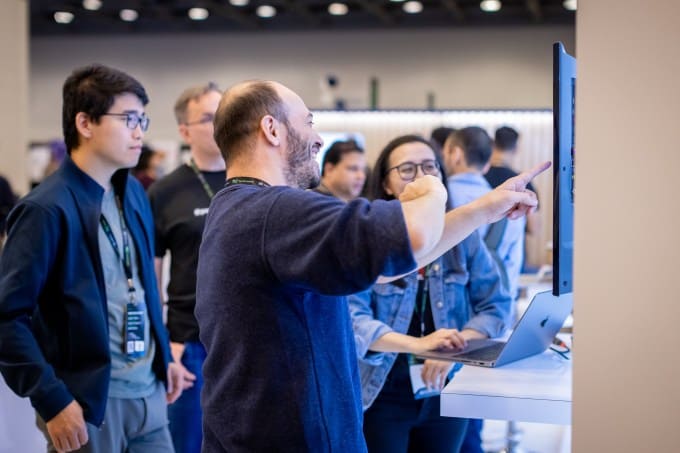
Exhibit bookings for TechCrunch Disrupt 2026 close in less than 24 hours. From October 13-15, 10,000+ founders, investors, operators, and tech leaders will arrive at San Francisco’s Moscone West looking for companies, products, ideas, and people worth knowing. The question is: Will they find your startup?

You have until 11:59 p.m. PT tonight, October 2 — or until the remaining tables sell out — to secure your place in the Expo Hall, the heart of Disrupt. Find out more and book your spot before your competitor takes your table.

Image Credits:Slava Blazer Photography

Don’t just attend — give startup leaders something to discover

Disrupt brings thousands of people together, but an exhibit table gives your startup a home base for three days. A place to demo what you’ve built. Start conversations with investors, clients, and potential partners. And turn a quick introduction in the Expo Hall into something that continues after Disrupt.

Use your exhibit presence to:

Show, rather than tell. Put your product directly in front of the people who could fund, use, or partner with you.

Start more conversations. Meet anyone in tech already exploring the Expo Hall specifically to discover new breakthroughs.

Get closer to investors. Founders receive access to additional opportunities, including investor-to-founder networking and a quieter area in the Deal Flow Café.

Generate leads. Capture high-quality leads through the Disrupt mobile app and build a pipeline to follow up after the event.

Bring your team. Cover more of Disrupt with five all-access Exhibitor–Partner passes and five Expo+ passes included in the package.

Three days. Thousands of potential introductions.

Image Credits:Slava Blazer Photography

The Expo Hall is where products become conversations. One demo could introduce you to your next customer. One question could lead to an investor meeting. One conversation could uncover a partnership you hadn’t considered before arriving in San Francisco. And with 10,000+ decision-makers expected at Disrupt, you have three days to create as many of those moments as possible.

Your exhibit table package includes space in the hall for all three days, 10 team passes, lead-generation tools through the event app, access to the TechCrunch Disrupt press list, website and app branding, partner Wi-Fi, and Silver Tier branding recognition. You’ve built something you want people to discover. Don’t leave it to chance.

Exhibit bookings close today, October 2, at 11:59 p.m. PT, or when the remaining tables sell out. Secure your table and put your startup at the center of TechCrunch Disrupt 2026.

Don’t plan to exhibit? Don’t miss Disrupt

You can still get in the room at TechCrunch Disrupt 2026 on October 13-15. Hear from 250+ top-tier tech leaders across 200+ sessions on six industry stages, roundtables, and breakouts that give you practical insights for building, funding, and scaling. Use AI-powered matchmaking and interactive sessions to make more relevant connections. Explore 300+ startups and witness Startup Battlefield 200, the ultimate pitch competition, to discover potential products, partners, and investment opportunities. Get your Disrupt ticket and be part of the conversations shaping what comes next. Bring your co-founder, partner, or peer at 50% off. Bring four or more for additional discounts.

When you purchase through links in our articles, we may earn a small commission. This doesn’t affect our editorial independence.
Read More

Less than 24 hours to apply for a Side Event at Founder Summit 2026

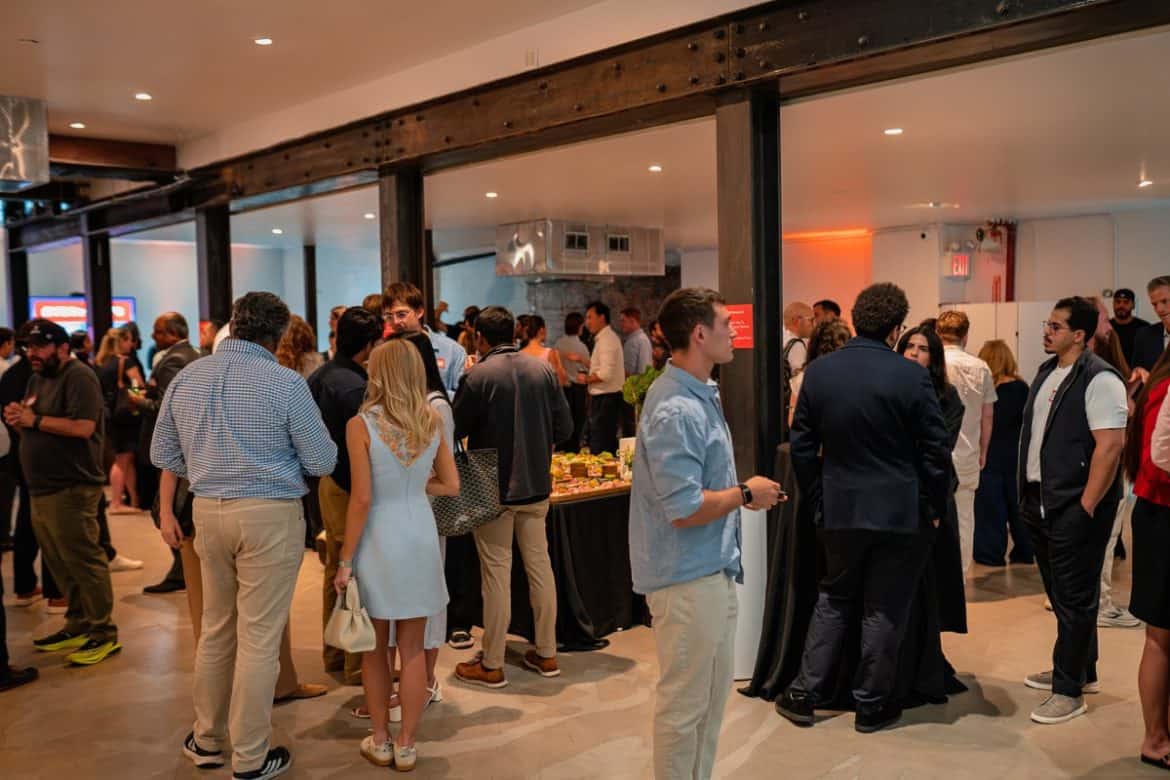
The clock is almost out. You have less than 24 hours left to apply to host a Side Event during TechCrunch Founder Summit 2026. Applications close tonight at midnight PT.

Connect with the Boston startup ecosystem through November 1–7 by hosting your own Side Event. Bring your community, start an impactful conversation that’ll push the needle, and create an unforgettable experience.

Apply now to host a Side Event →

Put the tech spotlight on your brand

Founder Summit brings founders, investors, partners, and tech leaders to Boston. Side Events give you another way to connect with that community — before, during, and after the conference.

Host a meetup. Bring tech leaders together for a happy hour. Lead a panel or workshop. Create an experience your community will remember. The event is yours to plan.

An approved Side Event will:

Reach the Founder Summit community and connect your audience with founders, investors, partners, and innovators from across the ecosystem.

Extend your presence beyond the venue floor with an event during the broader Founder Summit week.

Get additional visibility from TechCrunch through placement on the official Side Events page, agenda, mobile app, attendee emails, a TechCrunch article, and social channels.

Give your community an added reason to attend Founder Summit with a ticket discount to share with your network.

Applying does not guarantee your event will be accepted or hosted as an official TechCrunch Founder Summit Side Event.All applications are reviewed by the TechCrunch events team. Your event must be approved before it can be included in the official Side Events program. All logistics and costs will be your responsibility.

So, if you want the opportunity to expand your brand reach, apply now.

Apply before today ends

Applications close today at midnight PT. Don’t miss your chance to place your brand under the spotlight during one of the most anticipated founder events of the year, where 1,000+ tech leaders will converge in Boston. Apply now →

Don’t want to host a Side Event but still want to be a part of Founder Summit? Then grab your ticket today!
When you purchase through links in our articles, we may earn a small commission. This doesn’t affect our editorial independence.
Read More

Tesla sustains its EV sales momentum despite US troubles

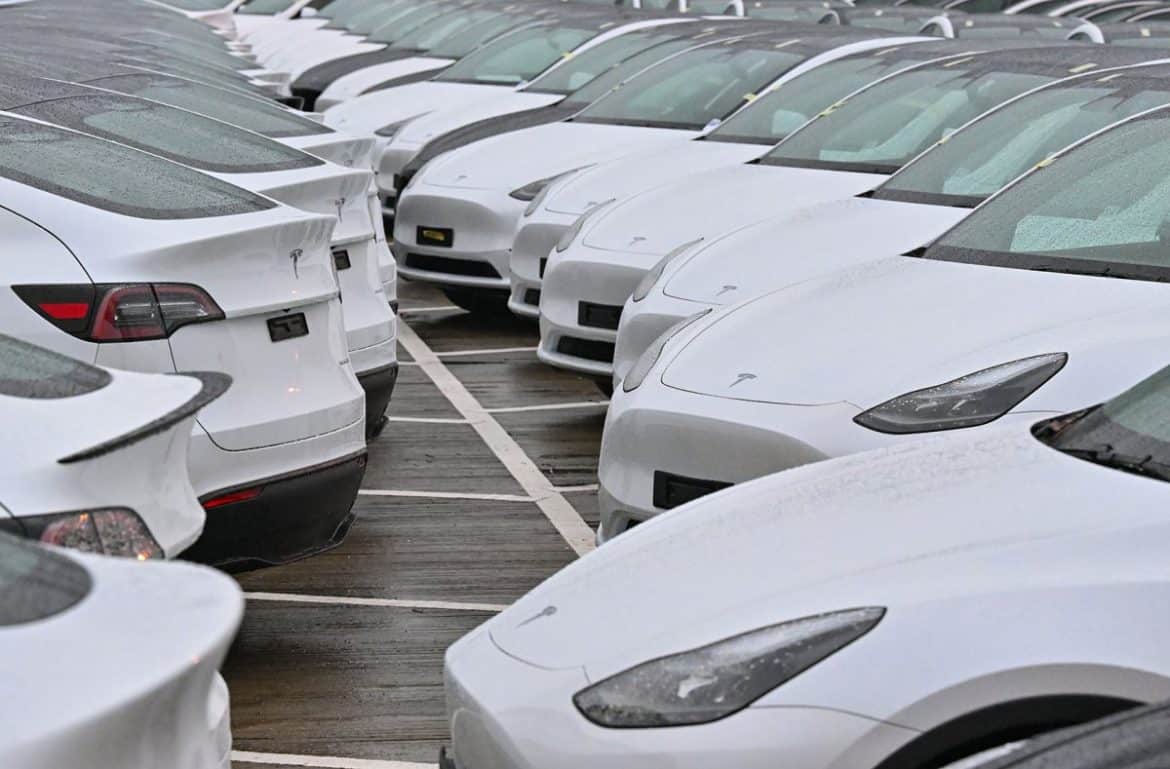
Tesla sold more than 480,000 EVs in the third quarter, as the company continues finding ways to move new cars despite its troubles in the U.S. market.

It was the second strong quarter in a row for Tesla after a somewhat rough start to the year. The sales figure easily beat out consensus estimates from Wall Street and topped even the most optimistic view for the company, which made its 10 millionth vehicle earlier this year.

The company said Friday morning that it built 464,391 vehicles in the quarter and delivered more than 486,532. That’s an increase of roughly 6,000 vehicle deliveries compared to the second quarter. But sales were still down from the same period last year, when Tesla delivered 497,000 vehicles. That quarter — Tesla’s best ever — was helped by a rush of U.S. buyers who were looking to take advantage of an expiring federal tax credit.

Before Friday’s numbers were released, Tesla’s sales were down nearly 20% year-over-year in the U.S. market, according to Cox Automotive.

That drop has been the result of a number of factors. Tesla has not released any new consumer models in years — with the exception of the Cybertruck, which has been a commercial flop. Potential buyers have also balked because of Elon Musk’s personal support of Donald Trump’s presidential campaign and his role overseeing the Department of Government Efficiency, which laid off thousands of workers and canceled international aid funding.

Tesla has looked to other markets to make up for lost U.S. sales. The company’s sales are on the rise again in Europe, where EVs are more widely adopted and supported by tighter emissions regulations. Tesla is reportedly expanding capacity at its factory in Germany to meet that demand. The company has also seen continued strong sales out of its factory in China despite competition in the region, with some of those sales driven by Tesla looking to newer markets like Japan, Australia, and Lithuania.

Despite the rebound in overall momentum, sales have become something of a taboo subject for Tesla CEO Elon Musk, who is increasingly focused on the company’s other efforts. Perhaps the biggest example is the Cybercab, which Tesla started putting on the roads of Austin, Texas in recent weeks. The two-seater EV has been giving autonomous rides to passengers despite having no driver, steering wheel, or pedals.

Tesla also recently launched the production version of its electric big rig, nearly a decade after it was first introduced. The company aims to make roughly 50,000 Tesla Semi vehicles per year.

Other new efforts are in the works, but don’t have firm commercial timelines. The second-generation Roadster is set to be re-revealed on October 15 after years of delays, though it’s not clear when it will get built. Tesla is also developing the Optimus humanoid robot, but has repeatedly pushed back its timeline. Earlier this week, Tesla announced it had secured up to $30 billion in new lines of credit to support these projects.
When you purchase through links in our articles, we may earn a small commission. This doesn’t affect our editorial independence.
Read More

Medical records giant Epic pauses product development to fix security bugs that risk patients’ data

Epic, the software technology giant that makes the widely used MyChart software for accessing patients’ medical data, has paused most of its product development as the company works to protect its software and systems from cyberattacks.

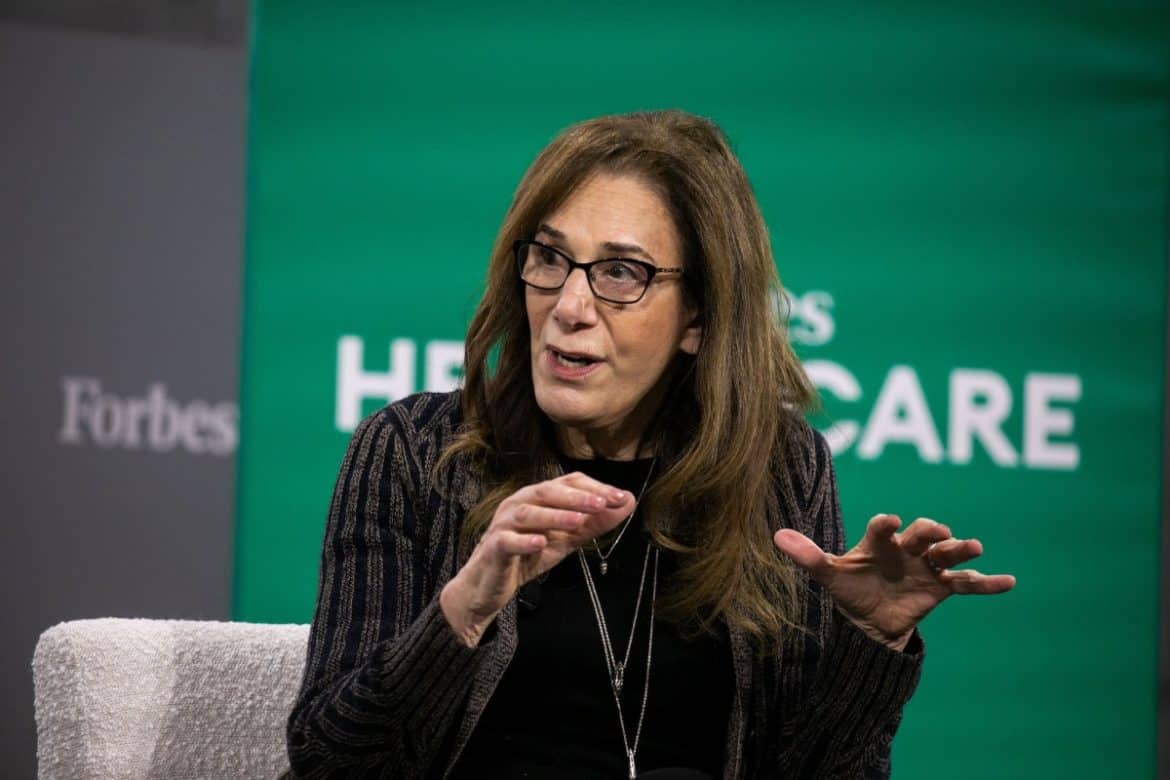
Judy Faulkner, the founder and chief executive of Epic, told Modern Healthcare last month that the pause would likely last six weeks while work continues on “safeguarding” the company’s products, after a deployment of Anthropic’s frontier cybersecurity model Mythos unearthed security flaws that could allow access to patients’ data.

The company has not disclosed the nature of the bugs, but its chief security officer Stirling Martin told The New York Times that some customer configurations of MyChart could allow outsiders to access patient records without recording any intrusion in the software’s logs.

Martin, who did not return TechCrunch’s request for comment, told the Times that the AI model did not say if the bug could be exploited to alter patient records without detection, but argued it was enough of a risk to remediate the issues.

Epic’s widely used MyChart software is used to maintain over 320 million patient records across hospitals and doctor’s offices across the United States. Epic says it does not have access to customers’ medical data: that responsibility falls on healthcare providers like hospitals and doctor’s offices. But a bug unknown to Epic could allow hackers to compromise multiple MyChart affected systems located across the United States and raid the data stored within.

It’s rare for a company to pause development to fix security bugs, but the advent of AI tools capable of rapidly finding and exploiting security vulnerabilities has led to concerns that attackers could have an easier time at stealing data.

Healthcare breaches are increasingly common as hackers seek access to highly sensitive health and medical data, under the assumption that providers would pay to prevent hackers from publishing the information online. A 2024 ransomware attack on Change Healthcare, a health tech company owned by insurance giant UnitedHealth tasked with handling payments and billing for most Americans, allowed hackers to steal health data on more than 192 million people, the majority of people in the United States. The company paid the hackers twice not to publish the stolen data.

This year, a string of back-to-back data breaches at healthcare and tech companies have affected tens of millions of Americans. This includes medical records stolen during a breach at electronic health data storage giant CareCloud, millions of rows of patient data from pharmaceutical distributor McKesson, and an unspecified amount of stolen data from U.K.-based health tech company Craneware, whose software is used across North America.

The Department of Health and Human Services currently lists a breach at dental insurance company DentaQuest affecting 15 million people as the largest healthcare-related data breach of 2026 so far.

When you purchase through links in our articles, we may earn a small commission. This doesn’t affect our editorial independence.
Read More

Rivian’s R2 just helped it set a new sales record

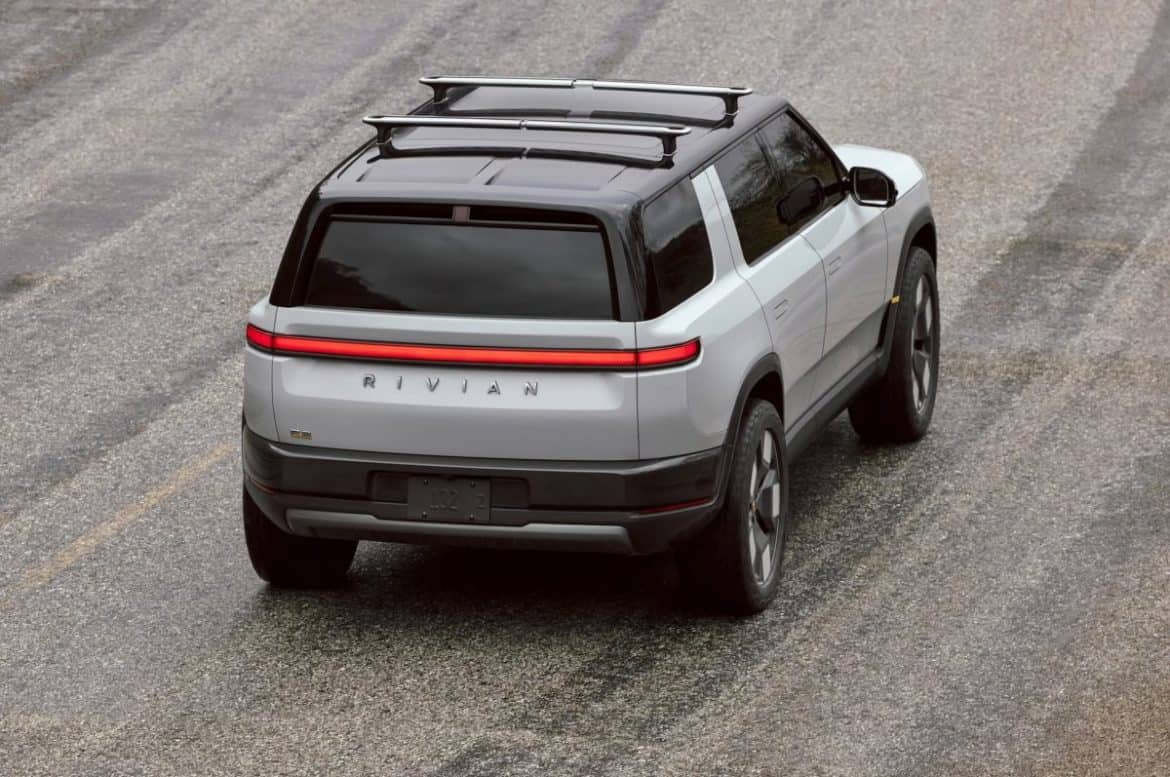
Rivian sold more electric vehicles than ever in the third quarter, thanks in large part to the launch of its new, more affordable R2 SUV.

The company said Friday morning that it built 19,751 vehicles and delivered 19,248. That’s roughly 45% more than it delivered in the same period last year.

While Rivian didn’t break out how many of those were R2 SUVs, this was the first full quarter of sales of the new vehicle after it launched in June. The company said Friday that it will release its full third-quarter financial results on October 29.

Rivian has big plans for the R2, which currently starts at just under $60,000. The company is betting that it will sell between 20,000 to 25,000 R2 vehicles by the end of the year, which would make it one of the fastest-selling EVs in U.S. history — second only to Tesla’s Model Y. Rivian also plans to make cheaper models available that will cost as low as around $45,000.

If Rivian hits those numbers, the company believes it can sell between 65,000 and 70,000 vehicles this year, including its R1 lineup of vehicles and its commercial electric van. That would be its best sales year ever, as the company has spent the last few years stuck at around the 50,000-vehicles-sold mark.

Rivian is currently building the R2 at its factory in Normal, Illinois, where it recently expanded the production space to accommodate the new SUV. But Rivian is also building a brand new factory outside Atlanta, Georgia, where it expects to be able to build as many as 300,000 vehicles per year in the near future, with the option to expand that capacity down the road.

Rivian needs the R2 to sell well in order to staunch years of heavy losses, due in part to the company’s expensive infrastructure required to support this mass-market vehicle. But Rivian has also signed a deal with Uber to make robotaxi versions of the R2 SUV. Rivian believes robotaxis represent such a big potential market that, in March, the company pushed back its goal of reaching profitability in 2027 to invest more money into autonomy.

When you purchase through links in our articles, we may earn a small commission. This doesn’t affect our editorial independence.
Read More

Rivian issues R2 recall for poorly tightened battery packs

Rivian has issued a recall for its R2 SUV after the company discovered that fasteners on its high-voltage battery pack might not be properly tightened, which can cause a loss of power while driving.

The company says only around 14 vehicles may have been affected, and that it will repair or replace damaged components on customer vehicles as needed. Rivian told TechCrunch that all of the affected vehicles are at service centers “being inspected to properly torque the fastener or replace damaged components at no cost to customers.”

This is the second recall Rivian has issued for the R2, which started shipping to customers this year. It’s an all-important vehicle for the company, as it’s the first Rivian EV meant for a mass market and is supposed to help it reach profitability for the first time. The first R2 recall, issued last month, had to do with the visibility of the backup camera and was addressed with a software update.

In a filing, the National Highway Traffic Safety Administration (NHTSA) said Rivian first spotted the defect on September 17. A “manufacturing operator” at the company’s Normal, Illinois factory noticed one of the fasteners had been “under torqued” by an “automated station” on the assembly line. The company investigated and reprogrammed the station to reject “improperly torqued fasteners.”

Rivian told the safety regulator that it “is not aware of any customer reports, accidents, injuries, or fatalitiesrelated to this issue.” Some Reddit users, along with RivianTrackr, a blog that follows the company closely, reported about the issue late last month. One owner said Rivian’s service department told them to stop driving immediately, and the company towed the vehicle.

Rivian has set an aggressive goal for the launch of the R2. The company has said it plans to ship between 20,000 and 25,000 of them by the end of this year. With deliveries starting in June, that would make it one of the fastest launches of a new EV in the U.S. market if Rivian pulls it off. The company is supposed to be adding a second production shift to hit those numbers, and has said early demand is strong for the new, more affordable SUV.

This story has been updated with information from Rivian.

When you purchase through links in our articles, we may earn a small commission. This doesn’t affect our editorial independence.
Read More

Robotaxi operators will face fines for blocking first responders

Autonomous vehicle (AV) technology companies like Tesla, Waymo, and Zoox will have to provide first responders with local, on-the-ground support when their robotaxis cause problems under a new California law. The companies could also face penalties if a robotaxi blocks police or firefighters for more than 30 minutes.

Senate Bill 1246, which was signed into law by Gov. Gavin Newsom, sets a series of new rules for AVs designed to improve safety and response times when they become disabled or interfere with emergency responders. The law also creates ways to hold these companies accountable if they don’t.

The law follows a string of high-profile incidents in California in which robotaxis broke down and disrupted traffic, drove into crime scenes, or impeded first responders.

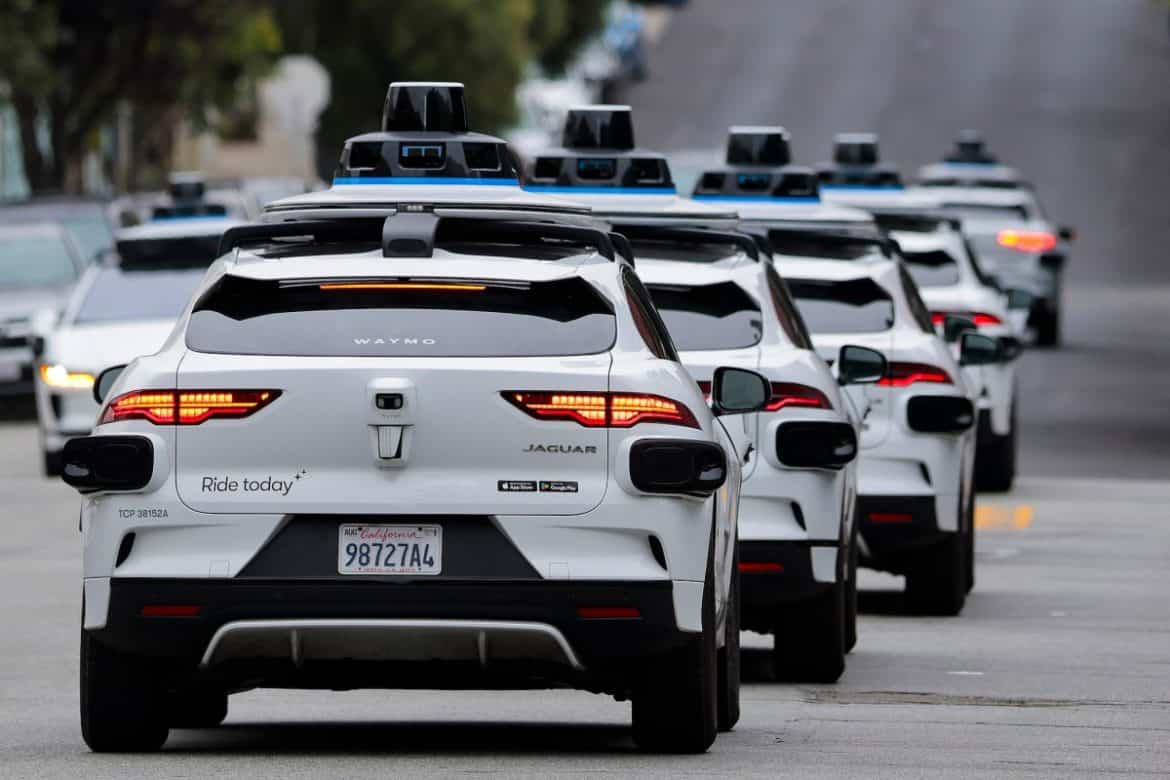
The bulk of those incidents involved Waymo, the largest robotaxi operator in the U.S. , which has about 4,000 autonomous vehicles in its commercial fleet across the country. About 1,200 of those are in the San Francisco Bay Area. A TechCrunch investigation earlier this year identified a number of incidents in which Waymo relied on first responders to manually drive its vehicles when they encountered problems.

Those incidents prompted state and federal lawmakers to call for stricter rules governing robotaxis, particularly how they behave around first responders. The National Highway Traffic Safety Administration (NHTSA) even sent a letter to AV developers demanding that they come up with “solutions” to the problem.

This new California law attempts to address those concerns, at least in the state.

“California has embraced autonomous vehicles, but we cannot embrace innovation at the expense of public safety. When an autonomous vehicle crashes, breaks down, blocks a roadway in an emergency, or gets in the way of law enforcement or first responders, there must be clear accountability,” said state Senator Dave Cortese, who introduced the bill. 

Under the law, AV developers can only employ remote drivers who are based in the United States and those drivers must hold a U.S. driver’s license. The requirement is meant to address concerns around how companies use remote operations when autonomous vehicles run into trouble.

The term “remote operations” has been interpreted very broadly and there is still little known about the methods AV companies use. The “remote drivers” term in the law is far more specific. It refers to a human who directly operates or drives the vehicle from afar. Tesla is the only company that has publicly stated that it has remote operators who can take direct control of its robotaxis.

Other companies, including Waymo, have said they use forms of remote assistance, in which the self-driving system remains in control and a human employee can provide guidance or send software commands if needed. Waymo has a global network of remote assistance staff, including in the Philippines, and operates command centers in Arizona and Michigan. Zoox’s remote operations teams are based in the United States, according to the company.

The law will also require AV companies to notify cities, towns, and other local jurisdictions about the location and status of vehicles during system-wide failures and to provide “local incident technicians” who can assist with AV accidents and obstructions. Companies can also be fined if an AV blocks first responders during an emergency for more than 30 minutes.

Companies including Waymo and Zoox have said they will comply.

“We are grateful for the amendments made to the bill, which ensure autonomous vehicle operators can still feasibly serve Californians,” a Waymo spokesperson said in an emailed company statement. “Waymo is committed to making roads safer in California and continually improving our service.”

The law goes into effect in July 2028. The California Department of Motor Vehicles, which regulates autonomous vehicles in the state, will set guidelines on certain aspects of the new law, including required response times.

When you purchase through links in our articles, we may earn a small commission. This doesn’t affect our editorial independence.

Read More

Lyft is paying $272.5M to settle lawsuit over how it classified drivers

Lyft has agreed to pay $272.5 million to settle a lawsuit accusing the ride-hailing company of violating California law by misclassifying drivers as independent contractors, instead of employees.

The company said in a regulatory filing that it believes the settlement will allow it to avoid the “costs and distraction of protracted litigation and enable management to maintain its focus on executing its business objectives.”

The settlement stems from a lawsuit filed by the California Labor Commissioner’s Office in August 2020 that accused Lyft of treating drivers as independent contractors rather than as employees, as required under state law at the time.

The lawsuit alleged that drivers were denied minimum wage and overtime, as well as other benefits and protections provided to employees, including paid sick leave and timely wage payments.

“This settlement is about the workers who came forward and spoke up. Their voices made this outcome possible,” California Labor Commissioner Lilia García-Brower said in a statement, adding that the LCO will forgo its share of the settlement and direct those funds to drivers who filed wage claims.

The settlement, which still must be approved by a judge, covers alleged violations from April 6, 2016, to December 15, 2020 — a period California was grappling with whether workers in the booming gig economy were independent contractors or employees.

Today, drivers for app-based transportation services like Lyft and Uber are classified as contractors after voters passed ballot measure Proposition 22 in 2020. The ballot measure provided a carve-out from Assembly Bill 5, a state law passed in 2019 that required companies like DoorDash, Lyft, and Uber to classify gig workers as employees, entitling them to minimum wage, workers’ compensation, and other benefits. 

Even after AB 5 took effect, Lyft, Uber, and other companies that relied on gig workers continued to classify their drivers as contractors. That eventually led to legal action from the LCO, California Attorney General, and the City Attorneys of Los Angeles, San Diego, and San Francisco, as well as private actions filed under California’s Private Attorneys General Act. The cases were coordinated in San Francisco Superior Court in September 2021.

“If approved, this settlement closes a chapter from a very different time, before Prop 22,” a Lyft spokesperson said in an emailed company statement. “The vast majority of rideshare drivers in California have always wanted to be independent contractors, and voters affirmed that when they passed Prop 22 in 2020, giving drivers new benefits and protections while preserving their flexibility. And since then, Lyft has gone further than Prop 22 requires, becoming the only rideshare company with a fee cap.

“Lyft believes drivers have always been properly classified under the law, and we’re glad to put this case behind us. We remain laser focused on helping create more earnings for drivers and more affordable rides for riders.”

The settlement closes this legal chapter, at least for Lyft. Uber still faces an LCO lawsuit that makes similar allegations.

Update: This article was updated to include a comment from Lyft.
When you purchase through links in our articles, we may earn a small commission. This doesn’t affect our editorial independence.

Read More

Musk’s AI chatbot Grok reportedly encouraged Trump to capture Venezuela’s president

In December 2025, about a month before the U.S. invaded Venezuela and captured its president, Nicolás Maduro, President Trump had a secret meeting with Elon Musk, Time magazine reports. This was roughly seven months after Musk left his role in the Trump administration at the Department of Government Efficiency (DOGE).

During this meeting, Trump “spent hours” talking to Musk’s Grok chatbot, including asking how Venezuelans would respond to the capture of their president, a source told Time. Just a few months earlier, in September, Trump began ordering U.S. military strikes against Venezuelan boats that Trump alleged were involved in drug trafficking.

People had apparently been turning to Grok asking about the boat strikes and political climate in Venezuela, as the Atlantic reported at the time. So Grok told Trump that Maduro was a “deeply unpopular dictator and that many Venezuelans would likely celebrate his downfall,” Time reported.

When such celebrations indeed happened after the U.S. invaded on January 3, Trump apparently “came away thinking Grok was ingenious,” that source told Time.

So perhaps it should come as no surprise that in June of this year, the Pentagon’s head of AI said that the military used Gov Grok to deploy and strike targets during the Iran War.

While Grok isn’t the only AI model serving the DoD (OpenAI also has an agreement and Anthropic has been in a back-and-forth over how its models can be used for military intelligence and in modern warfare), Grok may become an even bigger favorite under this administration. Earlier this week, the Pentagon announced that Musk and Anduril’s Palmer Luckey have been tapped to co-lead a study about how advanced technology is, and can be, used in battlefields.

Read More

ChatGPT can now virtually try on clothes for you

OpenAI is again experimenting with how its conversational AI assistant, ChatGPT, can help users as they shop online. On Thursday, the company announced the global launch of two new shopping features, including a way to virtually try on clothing and accessories and a new favoriting function that can help users save products they like for later reference.

The updates arrive at a time when AI assistants are exploring consumer use cases around shopping. OpenAI already had to pivot from one of its earlier ideas in this space, an instant checkout feature that ended up not performing well. More recently, agentic AI startup Instinct began pushing product recommendations to users, but some felt that the proactive recommendations were an overreach, more akin to ads than helpful suggestions.

OpenAI said its new shopping features leverage the newly launched ChatGPT Images 2.5 model, which the company claims produces more natural lighting and richer textures, follows editing instructions more reliably, and reduces image generation latency.

To start, virtual try-on allows ChatGPT users to upload a selfie or a full-body photo in order to visualize how an article of clothing or an accessory might look on them. This option will appear as a new Try On button in ChatGPT’s shopping results. You can also upload an image of an item, like a web screenshot, and ask ChatGPT to try it on for you.

The other new option, Favorites, lets you save products you discover to a Library in the app so you can come back to them later. (These items will be saved alongside your try-on images, the company notes.)

Image Credits:OpenAI

OpenAI said that ChatGPT can help users shop in other ways, too.

For instance, you could describe a style that you’d like to try, then ask it to shop for the pieces needed to complete the look. Or, you could upload photos of celebrities’ outfits and ask it to find the items they’re wearing that are available for purchase.

The latter sees the assistant moving into areas that Pinterest and Google have dominated in recent years as sources for fashion inspiration and discovery that can convert to sales for online retailers.

Whether ChatGPT will become people’s first choice for this type of activity, however, remains to be seen — especially given that Google launched virtual try-on last year.
When you purchase through links in our articles, we may earn a small commission. This doesn’t affect our editorial independence.

Read More

1 … 4 5 6 7 8 … 261